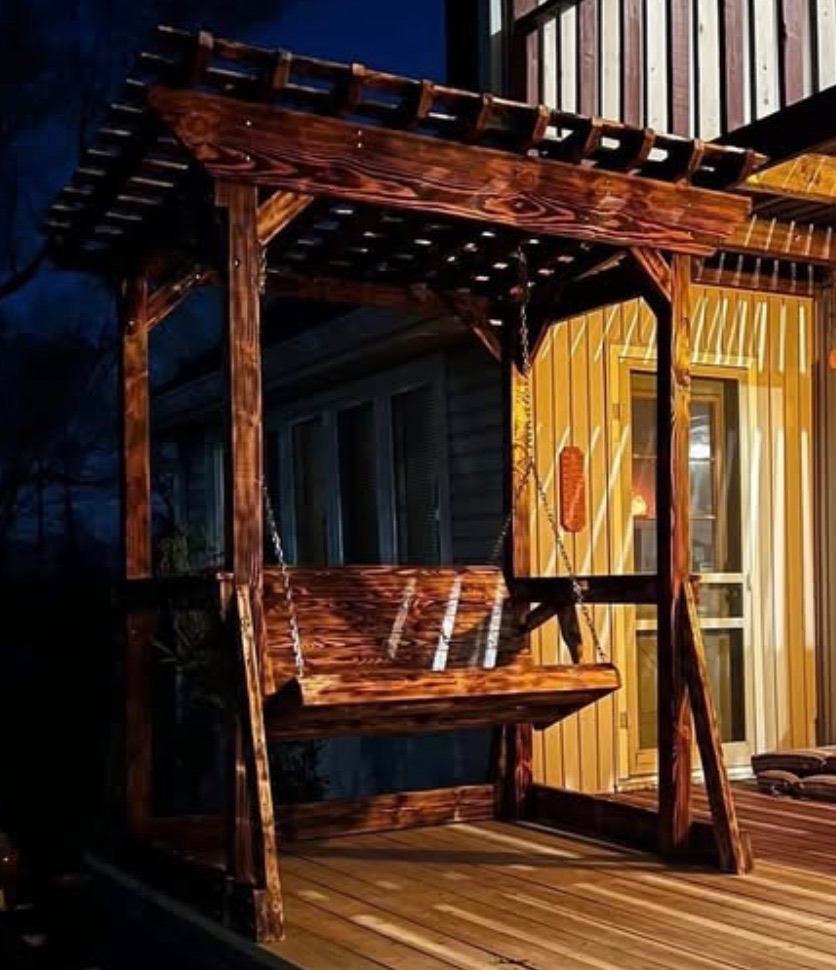
How to Prepare for a Porch Swing or Pergola Setup
You have picked out your swing, your pergola, or both. Whether you are installing custom porch swings or custom pergolas, the work you do before everything arrives makes a real difference in how smooth the setup goes, how solid the final result feels, and how long everything lasts.
Here is a straightforward prep guide for porch swings, pergolas, and hanging daybeds so you know exactly what to do before build day.
Why Prep Matters
Skipping the prep phase leads to the kind of problems that are expensive and frustrating to fix later:
- A swing mounted to a weak ceiling joist that sags within months
- A pergola placed over a buried utility line
- Posts set in ground that does not drain, leading to rot at the base
- Furniture that does not fit under the finished structure because no one measured first
A couple of hours of prep saves weeks of regret. Let's walk through each project type.
Preparing for a Porch Swing
Check Your Joists
This is the most important step. A porch swing needs to hang from structural ceiling joists, not decorative trim or thin porch boards. Here is how to check:
- Use a stud finder to locate joists in your porch ceiling
- Joists should be at least 2x6 or larger to support a swing
- Note the direction the joists run — you will mount perpendicular to them or use a crossbeam
- If you cannot locate solid joists, do not guess — have someone take a look before drilling
Measure Ceiling Height
The ideal porch ceiling height for a swing is 8 to 10 feet. The bottom of the swing seat should hang about 17–19 inches off the floor for comfortable seating. Too low and your feet drag. Too high and you cannot sit down easily.
Plan Your Clearance
- Leave at least 14–16 inches behind the swing for back-and-forth motion
- Leave 3–4 feet of open space in front for leg room and swinging
- Make sure the swing will not hit walls, railings, columns, or other furniture at full swing
Have Your Hardware Ready
Most porch swings need heavy-duty screw eyes or hanging hardware rated for the weight of the swing plus the people sitting on it. Plan for at least 500–800 lbs of rated capacity depending on swing size. Your builder or hardware supplier can recommend the right hardware for your joist type.
Preparing for a Pergola
Start with Flat, Solid Ground
A pergola needs a level surface. See our custom pergola project for an example of a properly prepared install. If your yard slopes, you may need to grade the area or plan for posts of different heights. Check whether the area has:
- An existing concrete patio pad (ideal for surface-mount posts)
- Compacted gravel or pavers (good base, may need post footings)
- Bare grass or soil (will need post holes and concrete footings)
Call Before You Dig
Before any post holes go into the ground, call 811 (the national dig line) to have underground utilities marked. This is free, required by law in most areas, and prevents you from hitting gas, electric, water, or cable lines. It typically takes a few business days, so call early.
Know Your Property Lines
Most municipalities require structures to be set back a certain distance from property lines — often 5 to 10 feet in residential areas. Check your local building codes or HOA guidelines before you commit to a placement.
Check for Drainage
Avoid placing a pergola in the lowest spot of your yard where water pools after rain. Standing water around post bases accelerates rot, even on treated lumber. If the area tends to stay wet, consider improving drainage first or raising the post bases above grade.
Clear the Area
Remove any furniture, planters, fire pits, or landscaping from the footprint. Trim overhanging branches that would interfere with the structure. Give yourself at least 3–4 feet of clear space around the planned pergola footprint for access during setup.
Preparing for a Hanging Daybed
Confirm Weight Capacity
A hanging daybed is significantly heavier than a porch swing. The bed itself may weigh 100–200 lbs, and with a mattress and two or three people, the total load can reach 800–1,000 lbs. Whatever you are hanging it from needs to handle that load with a safety margin.
Plan Your Mounting
Hanging daybeds can mount from:
- Pergola beams — the most common option; beams must be rated for the load
- Porch ceiling joists — only if the framing is heavy-duty enough; most standard porches need reinforcement
- A dedicated stand or frame — freestanding option that eliminates structural concerns
Measure for the Bed and the Swing Arc
A daybed typically measures about 44x75 inches (twin size) or 54x75 inches (full size). Add at least 18–24 inches of clearance on all four sides for gentle swinging motion. The total space needed is often larger than people expect.
Tools and Materials to Have Ready
Whether you are setting up a swing, a pergola, or a daybed, having the right tools on hand makes everything go smoother:
- Tape measure (at least 25 feet)
- Level (4-foot level for posts, smaller for hardware)
- Stud finder (for porch ceiling mounts)
- Drill and impact driver with appropriate bits
- Socket set for lag bolts and heavy hardware
- Step ladder or extension ladder depending on ceiling height
- Pencil and masking tape for marking positions
For pergola setups, you may also need a post hole digger or auger, concrete mix, and a wheelbarrow.
Questions to Ask Your Builder
Before your project starts, make sure you have clear answers to these questions:
- What size hardware do I need for my specific ceiling or beam type?
- Does my porch or structure need any reinforcement before mounting?
- What is the total weight of the finished piece including chains or rope?
- How should I maintain the wood finish over time?
- Are there specific cushion or mattress dimensions I should order?
- What is the lead time for a custom build?
Good builders will want you to ask these questions. It means fewer surprises for everyone. Have questions about your specific setup? Reach out to Good Woodin Co and we'll help you figure out what works.
What Good Woodin Co Handles vs What You Prepare
Here is how it works with us:
We handle:
- Custom design and build of your swing, daybed, or pergola
- Material selection and finishing
- Guidance on hardware, mounting, and sizing
- Answering your questions throughout the process
You handle:
- Measuring your space and sharing dimensions with us
- Confirming your structural mounting points (joists, beams, etc.)
- Calling 811 if post holes are needed
- Clearing and preparing the installation area
- Arranging pickup from our shop in Lee's Summit, MO (occasional small local delivery may be available)
We do not do travel installations, but we will make sure you have everything you need to set things up right or to hand off to a local installer.
Timeline Expectations
Here is a rough timeline for each type of project:
- Porch Swing: Prep takes an afternoon. Measuring, finding joists, and getting hardware usually takes 1–2 hours. Hanging the swing itself is typically 30–60 minutes with two people.
- Hanging Daybed: Prep is similar to a swing but with more emphasis on confirming weight capacity. Installation takes 1–2 hours with two people.
- Pergola: Ground prep can take a day or more depending on grading and footing work. Assembly typically takes a full day to a weekend depending on size and complexity.
The custom build time on our end varies based on the project scope and current queue. Reach out early so we can get you on the schedule.
Related Projects
Getting ready for a porch swing or pergola project?
Contact Good Woodin Co to talk through your space and get a custom quote.